A Fijian wedding is rarely just one service and a reception. It is often two or more days of ceremonies, presentations and feasting that bring two families together. Whether you're going to a church wedding in Suva or a traditional iTaukei wedding, it helps to know what to expect, what to wear and how to behave as a guest.
This guide explains the main stages, the Fijian words you'll hear, and practical tips for guests travelling in from overseas or from other parts of Fiji.
Wedding season in Fiji
December and January are a popular time to marry in Fiji, when families living overseas come home for the holidays (Coconet). One Suva couple told the Fiji Sun they chose New Year's Eve because it was the only date all their relatives from abroad could attend.
If you're invited to a wedding over the holidays, book flights and accommodation early.
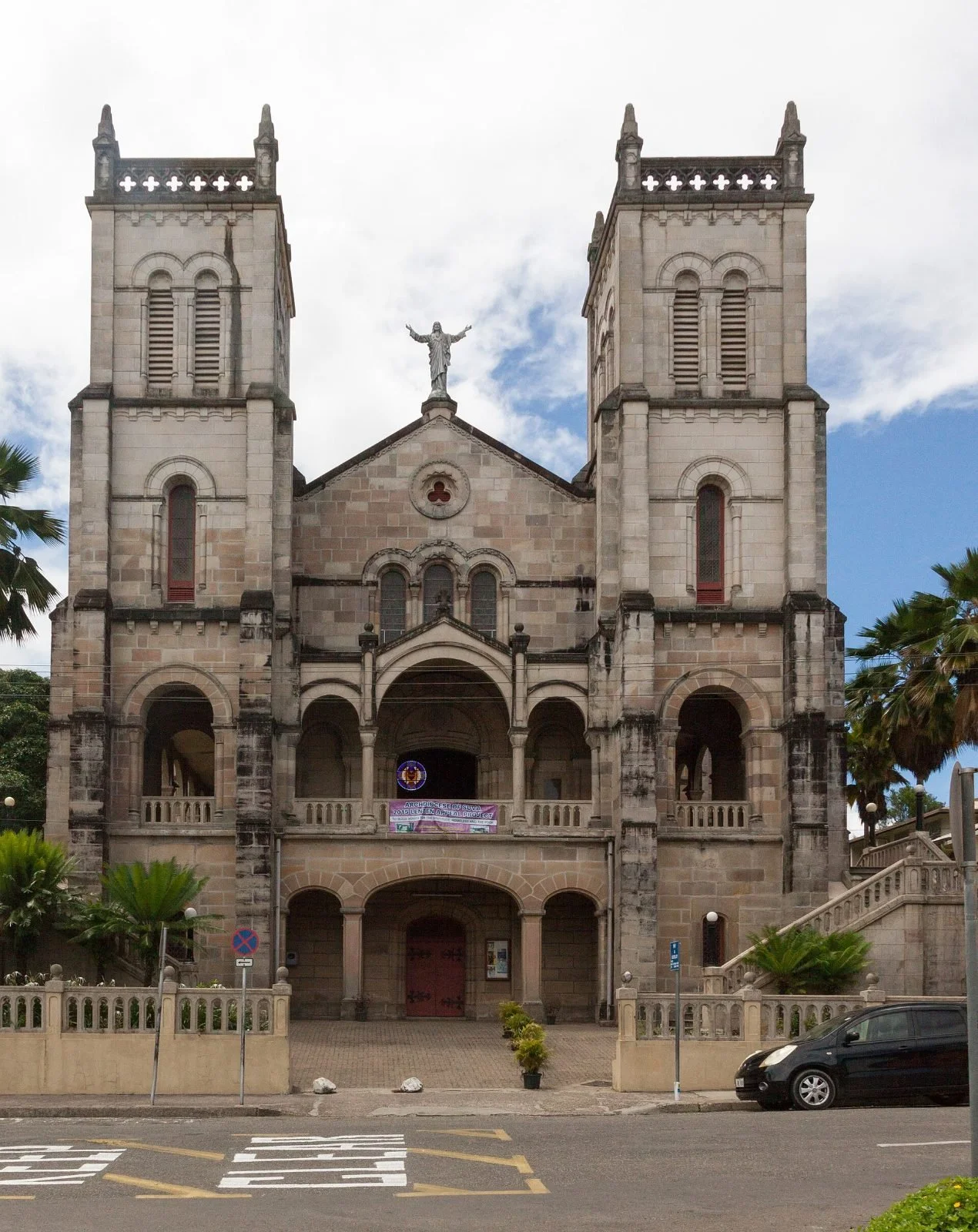
Sacred Heart Cathedral, Suva. Photo: Matthias Süßen, Wikimedia Commons, CC BY-SA 3.0.
Church weddings in Suva and Nausori
Most Fijian weddings include a church service. Christians make up about 69% of Fiji's population, and the Methodist Church is the largest denomination (Wikipedia).
What a church wedding day can look like
Every family does things differently, but weddings reported in Suva follow a similar pattern:
The ilakovi, a formal request for the bride's hand, takes place before the wedding day.
The church service, led by a minister or priest.
The feast or reception, at a hall, a home or a restaurant.
The tevutevu and itautaunaki later in the day, when gifts are presented and the bride is formally welcomed into the groom's family.
One Centenary Methodist Church wedding in Suva ran over two days, with the itautaunaki "later in the evening" of the wedding day (Fiji Times). At a Catholic wedding the vows are usually part of a Mass, followed by a shared meal (Pray Tell).
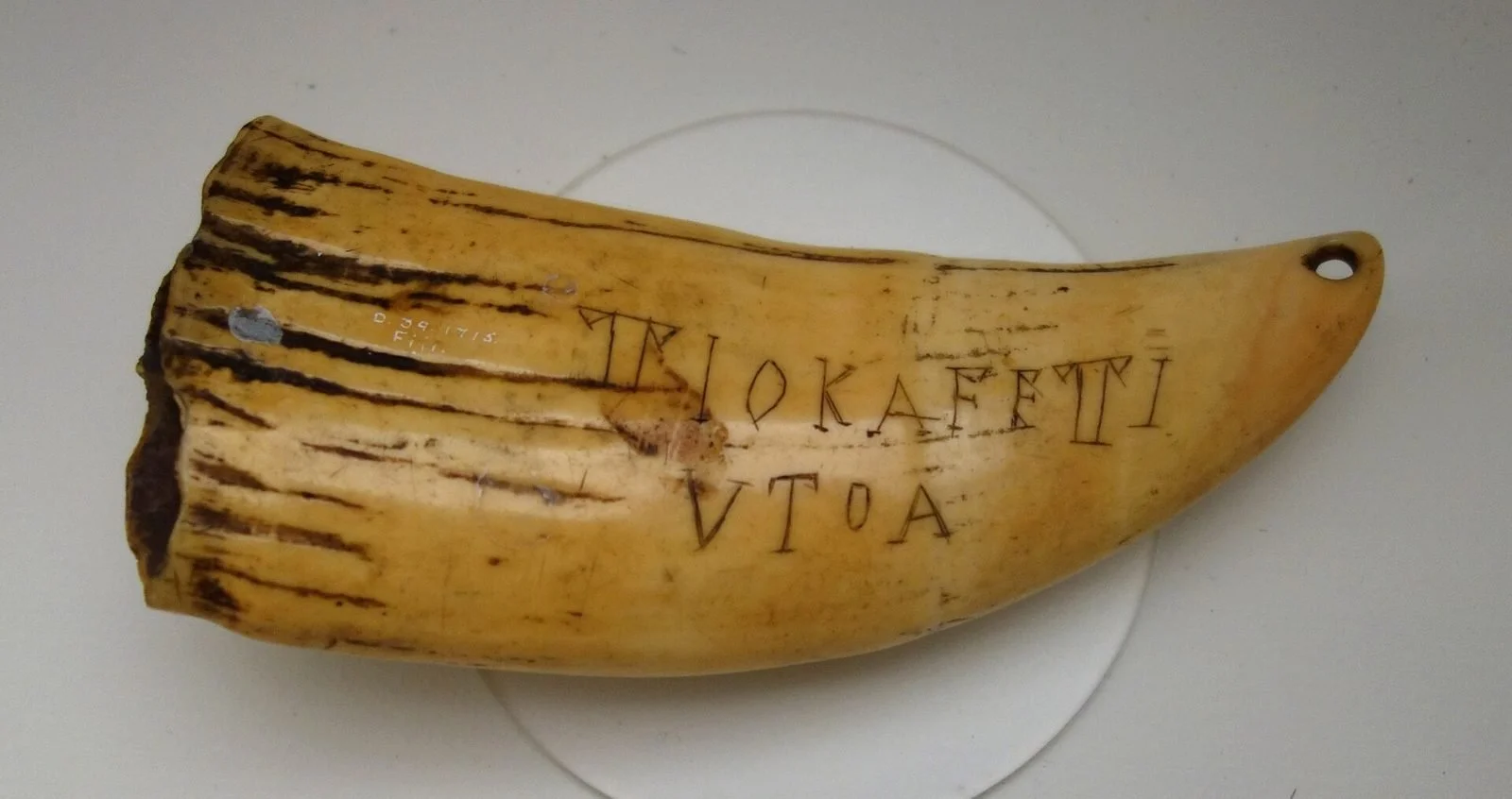
A tabua (whale tooth), Otago Museum. Photo: Daderot, Wikimedia Commons, public domain.
Traditional iTaukei wedding customs
In iTaukei culture, a marriage joins two families and their clans, not just two people. The anthropologist Asesela Ravuvu described it as a "marriage" of the two groups (Wikipedia). That's why so many of the customs are presentations between families.
The tabua
A tabua is a polished sperm-whale tooth, the most precious gift in iTaukei culture and a usual part of a marriage (Cultural Atlas). The groom's family presents tabua when asking for the bride. The giver speaks modestly about the gift, and the receiver praises it.
The tevutevu
At the tevutevu, both families give the couple mats and household goods for their new home. Fine mats with coloured wool borders, called ibe vakabati, are presented in large numbers and laid out for guests to see (Laveti).
Masi and yaqona
Masi (tapa cloth made from mulberry bark) often decorates the bride and groom's clothes. The Fiji Times notes that an all-masi wedding gown from a 1991 Suva wedding is now held at the Fiji Museum. Yaqona (kava) is shared during the formal ceremonies.
Key words you'll hear
Ilakovi: formal request for the bride's hand, with tabua
Tabua: whale's tooth, the most valued ceremonial gift
Tevutevu: presentation of mats and household goods to the couple
Itautaunaki: the bride is formally handed to the groom's family
Magiti: a ceremonial presentation of food
Matanivanua: spokesman who makes the formal speeches
Sevusevu: a small offering of yaqona as a sign of respect
Masi: tapa cloth made from mulberry bark
What to wear to a Fijian wedding
Dress modestly and smartly. For a church or village ceremony, cover your shoulders and knees (Rough Guides).
Men: a bula shirt with a sulu vakataga, the tailored formal sulu with pockets, or smart trousers. Wearing a sulu to church is seen as respectful (Wikipedia).
Women: a sulu jaba (a long, dressy outfit) or a modest dress below the knee.
Everyone: sandals you can slip off easily, as you may need to remove shoes indoors.
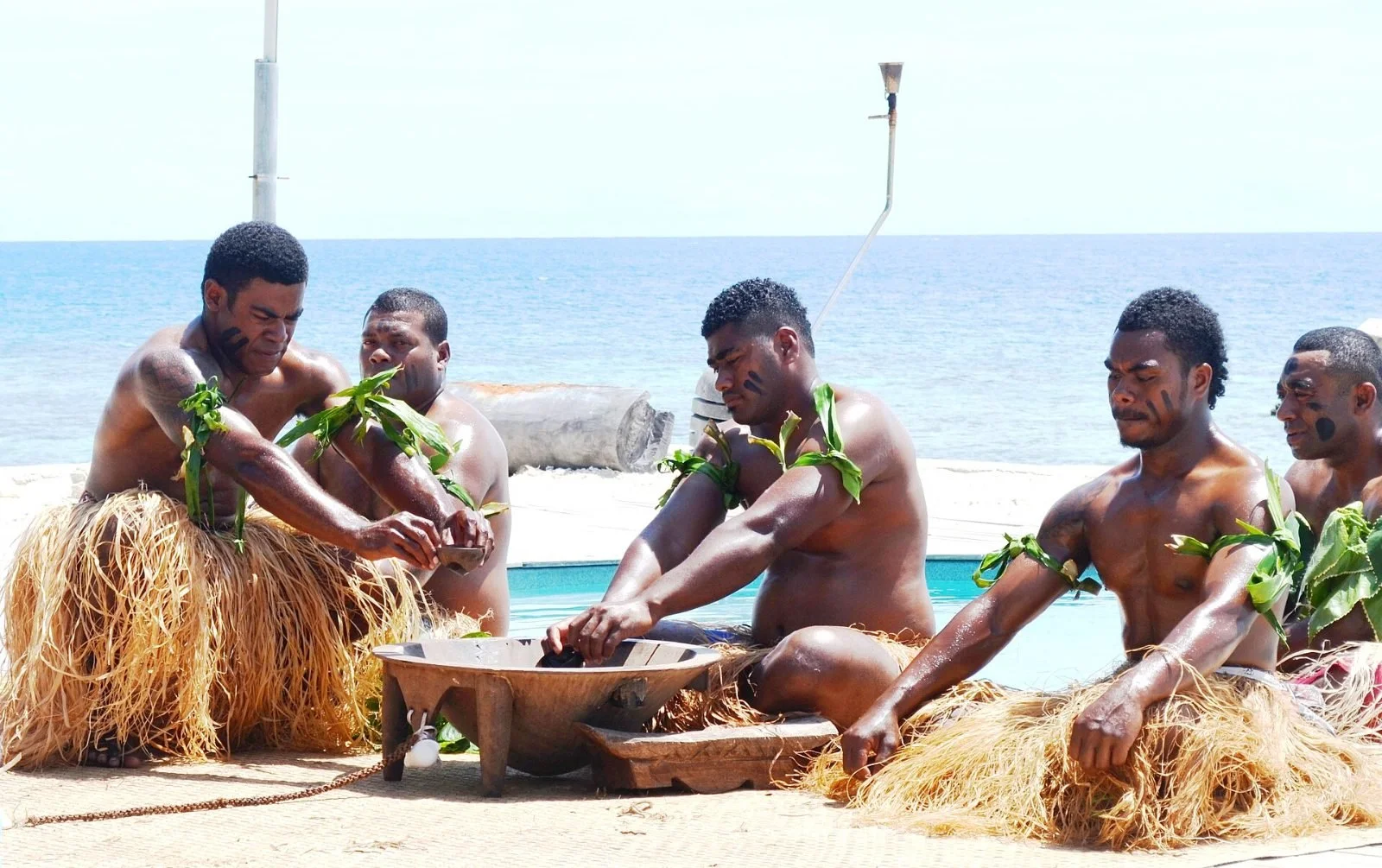
A Fijian kava ceremony. Photo: Jaejay77, Wikimedia Commons, CC BY-SA 4.0.
Etiquette for wedding guests
Tourism Fiji's etiquette guide covers the main points for village and family ceremonies:
Take off your hat and sunglasses.
Remove shoes at the door of any village building.
Carry bags in your hands, not over your shoulder.
Sit cross-legged on the mats, and stoop when walking past seated people.
Never touch anyone's head.
Wait for the prayer before eating.
Drinking kava
If you're offered kava, clap once, say "bula" and drink the bilo (coconut cup) in one go. Hand it back, then clap three times and say "vinaka" (Tourism Fiji). You can politely decline (Cultural Atlas). Don't take photos during the first yaqona ceremony unless the family says it's fine (Rough Guides).
Planning your stay for a wedding
Fijian weddings can run over several days, with events in different places. Staying in one place for the whole time makes it easier.
Stay central to the events: Nakasi is on Kings Road between Suva and Nausori, so you can reach venues on both sides.
Keep the family together: a whole apartment gives you space to get ready, iron clothes and rest between events.
Plan around traffic: allow extra time on Kings Road at peak times, especially on the wedding day.
For a list of halls near Nausori, see our wedding guest guide to Nausori.
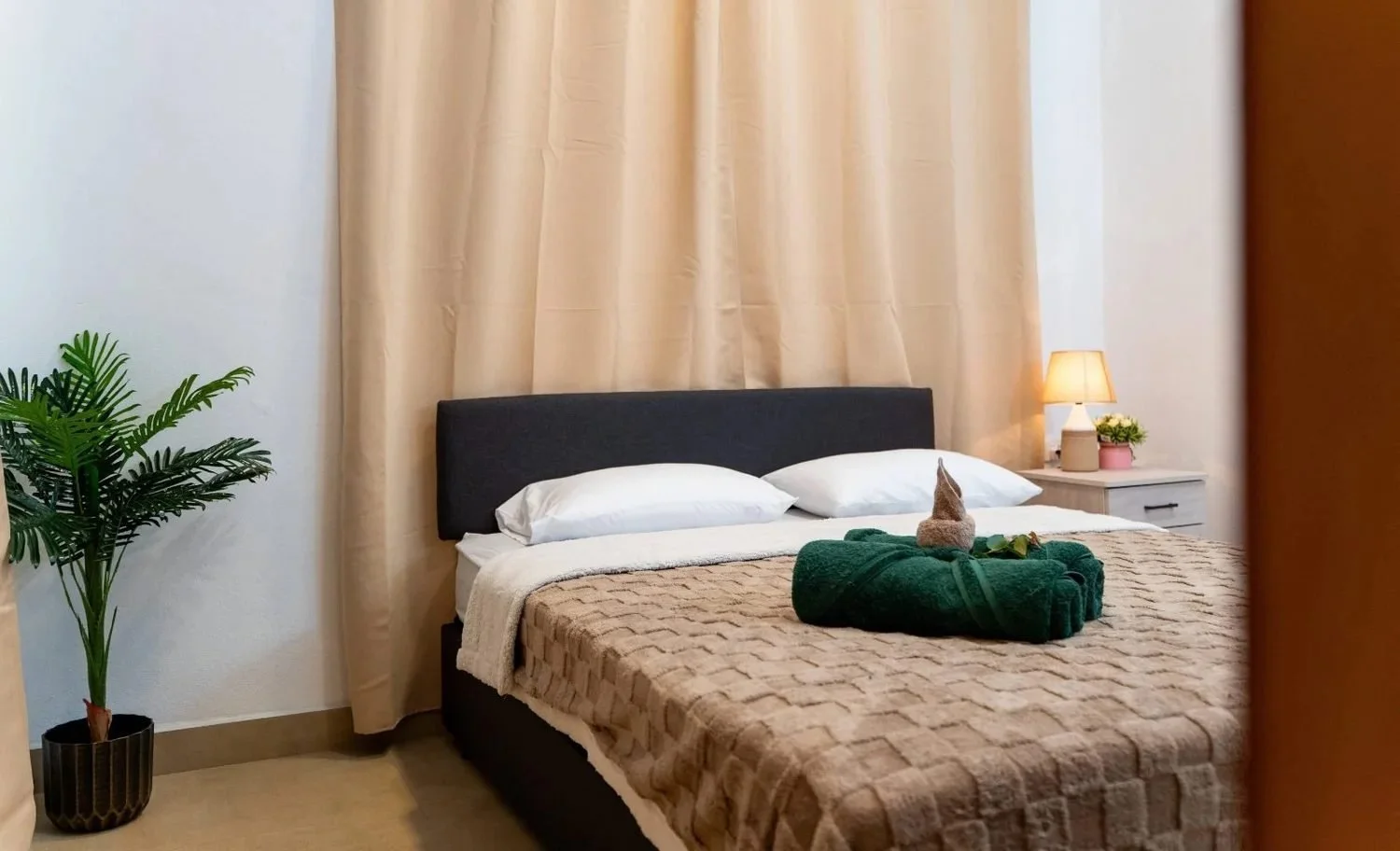
The Garden Flat for wedding guests
The Garden Flat at SPACES Fiji is a self-contained 3-bedroom, 2-bathroom apartment in Nakasi, Nausori, with its own entrance and a quiet garden setting.
Sleeps 6 at our listed rate, or up to 10 with an extra charge per person per night
Air-conditioning in every bedroom, so you can rest between events
An iron and ironing board for sulus and shirts
Full kitchen, washing machine and dryer
Off-street parking for up to 5 vehicles
Book direct for our best rate, or book the Garden Flat on Airbnb. Questions about dates? WhatsApp us on +679 970 9310.
Frequently asked questions
How long does a Fijian wedding last?
It varies by family. Some run over two days or more, with the engagement, church service, feast and gift presentations spread out.
What gift should I bring to a Fijian wedding?
Ask the family. Close relatives may take part in the formal presentations, while other guests often bring a household gift or contribute in the family's preferred way.
Do I have to drink kava?
No. You can politely decline.
Photo credits
Sacred Heart Cathedral, Suva: Matthias Süßen, Wikimedia Commons, CC BY-SA 3.0.
Kava ceremony: Jaejay77, Wikimedia Commons, CC BY-SA 4.0.
Tabua: Daderot, Wikimedia Commons, public domain.
Garden Flat photos: SPACES Fiji.
Information checked November 2026.